Friday, 25 October 2024

Are we still living like those good old days?

"Are we still living like those good old days?"

Music: Pochonbo Music Esemble
Words: Katleah Kuroshima, partially inspired from the Korean original


When I glance through the pages of the past
Memories rise like whispers in the air
Such as days of love, hope that it may last
With eyes ask me "do we still care?"

Are we still living like those good old days?
When our hearts so young, yearning to be free?
With every moment we, seeking our embrace
The magic of you and me

Unforgettable scenes from vibrant times
Running through fields we dared to dream
From the first strike, noises breaking ground
Together bound in our gleam

How can we ever forget cherished memories?
When our hearts so young, yearning to be free?
Tightening our belts, and singing this song
With hopes that soared in those days.

Facing with the fire, we stood side by side
Never mind the fear from their might
Just with your smile, easing way the tear
And our love will take away the fear

Are we still living like in those good old days?
When our hearts young, yearning to be free?
Everytime I see your face- I am seeking your embrace
The magic of you and me

"Poems for October"

"Poems for October"


At the Table of Silence 

In the heart of Sanchon, 
Where the temple bell hums softly, 
I entered not as a stranger, 
But as one seeking the unseen. 

The dishes came, not mere food, 
But whispers from the earth, 
Leaves and grains, touched by light, 
Carried by winds of devotion. 

Each taste, a verse from the Beloved,
Spoken through roots and stems, 
A silence between flavors, 
Inviting me to listen, to pause. 

No word of excess, no hunger of greed, 
Only the nourishment of the soul, 
For in the temple’s stillness,
Even the smallest offering is divine. 

As the incense rose, a prayer unwritten, 
I too rose, no longer bound by the body, 
But filled with the sweetness of knowing, 
That the sacred can be found in every bite. 

 Yearning for the Imaret 

 In the quiet embrace of Sanchon, 
I sat at a table rich with colors, 
The taste of nature filled my senses,
Yet a longing stirred within, deep as the sea. 

 Each dish, a whisper of the earth, 
Crafted with love, an offering shared, 
But in the warmth of this feast, 
I yearned for more than sustenance. 

 I longed for the imaret, 
Where the hungry gather, 
Where bowls overflow with compassion, 
And the soul finds nourishment, not just the body. 

 For what is a meal without sharing? 
What is the joy of flavors, 
If not deepened by the smiles of strangers, 
Gathered in the spirit of togetherness? 

 As I savored each bite, 
I could almost hear the laughter,
 Of those who find solace in the simple, 
Where every morsel becomes a prayer.

 In the heart of Sanchon,
 I tasted abundance, 
Yet in my heart, I carried the weight, 
Of those still searching for a place at the table. 

 And so I offered my gratitude, 
Not just for the food before me, 
But for the vision of an imaret, 
A sanctuary where all are fed, 
Where every hungry heart is embraced, 
In the eternal banquet of Love. 

 Whispers of Forgotten Hands 

 In the hidden streets of Seoul, 
Where time slows beneath the dust, 
I wandered into a shop of echoes, 
Where objects spoke in forgotten tongues.

 Each piece, a relic of longing, 
A fragment from hands unseen, 
Once cherished, now waiting, 
For a gaze that understands its tale. 

 An old brass mirror held my face, 
Yet I saw the faces of many before me, 
As if the glass could capture, 
The passing of souls through centuries. 

 Scrolls and books unfurled like ancient prayers, 
Boxes creaked open like guarded hearts, 
In each, a memory locked away, 
Yearning to be known, to be held again.

 What is this place, 
But a garden of old loves and forgotten grief? 
Where the past bends and sways, 
Offering itself to the one who listens.

 I did not leave empty-handed, 
For the treasures I took were not of this world—
 But of the heart, that learns to see, 
In every crack and tarnish, a trace of the Divine. 

 The Carver’s Prayer 

 In the stone’s silence, I watched him, 
The carver bent low in his craft, 
Each stroke a whisper, a prayer unspoken, 
As if he were not shaping stone, 
But awakening the soul within. 

 The chisel met the surface, 
Not with force, but with grace, 
For in each line etched,
 A secret was revealed, 
Of what it means to be formed and to form. 

 The seal, small as it seemed, 
Held the weight of worlds untold, 
An emblem of lives yet to be marked, 
Of hands that would press it, 
Into this stone of existence. 

 He carved not for beauty, 
But for truth, 
As if he knew that the stone had always carried, 
The name it now bore, 
And he, a mere servant, was called to set it free. 

 In that moment, I understood, 
We are all stones waiting for the carver, 
To reveal in us the mark of the Eternal,
 Cutting away the excess, 
Until only the pure design of Love remains. 

At the End of the Path

The temple’s solace still clung to me,
As I walked the long road,
Each step a slow return,
From silence to the world of sounds.

The wind carried the temple’s breath,
In the rustle of leaves, in the sigh of stones, 
Yet the further I went, 
The more distant that sacred whisper became. 

I stopped at the side of the road, 
Waiting, like so many before, 
For the next passing moment, 
For the ride to take me onward. 

But in the stillness of waiting, 
I found the journey did not end. 
For the path is always before us,
Whether on foot or in pause. 

The sky above stretched wide, 
Like the endless reach of the soul, 
And I, a wanderer in its shadow, 
Understood that even here, 
On the edge of the mundane, 
The sacred remains.

For in the waiting, too, there is grace, 
A reminder that we do not rush the Beloved, 
But learn to see, in every breath, 
The gift of simply being. 

At the Threshold of Stillness 

I sat, waiting for the coolness to come, 
The iced coffee that would quench, 
But in my waiting, I gazed beyond, 
To the quiet stone of Myeongdong’s spire. 

The church stood tall, unmoved by time, 
Its arches reaching like hands in prayer, 
As if it knew the secret I sought, 
In the space between sips and stillness. 

The world moved around me— 
Footsteps, voices, the clatter of cups— 
Yet in that sacred gaze, 
All was hushed, all was One. 

The drink I waited for became nothing, 
Compared to the sweetness of the moment, 
Where the heart sipped from deeper wells, 
And thirsted no more for what was fleeting. 

In the shadow of the church, 
I found a silence that spoke, 
Reminding me that the Divine is not only found, 
In grand cathedrals or distant heights, 
But in the waiting, in the watching, 
In the simple act of being still. 

And when the coffee came, 
It was more than a drink, 
But a reminder that every longing, 
Is a path back to the Beloved. 

At Home, Remembering Myeongdong 

Here, in the stillness of home, 
I sit with quiet walls, 
But my heart has wandered back, 
To the streets of Myeongdong, 
Where the air was crisp, 
And the lights flickered like distant stars. 

I remember the cold noodles— 
Their coolness like a winter breeze, 
A simple dish, yet rich with longing, 
Each bite a taste of something fleeting, 
Something that stirred the soul, 
And left me wanting more than just a meal. 

The city thrummed with life, 
Footsteps hurried past, 
Yet in that bowl, there was stillness— 
A pause from the rush, 
A moment where the world slowed, 
And I could feel the weight of my own yearning. 

Now, at home, the memory stirs, 
Not just for the taste of noodles, 
But for the place they left me in— 
A space between the warmth of the past 
And the chill of what has yet to come. 

For in those cold strands, 
I tasted more than broth and spice— 
I tasted the hunger of my soul, 
For all that is distant, all that is far, 
Yet somehow, always near. 

Myeongdong calls me still, 
Not with the clamor of the streets, 
But with the soft whisper of memory, 
Where the cold noodles once invited, 
And the heart, as it always does, Answered.

Tuesday, 22 October 2024

Romanticizing Ruins: An Exploration of Filipino Nostalgia for Deteriorating heritage structures Over Restoration

Romanticizing Ruins: An Exploration of Filipino Nostalgia 
for Deteriorating heritage structures Over Restoration


This note examines the cultural phenomenon in the Philippines where old, deteriorating structures are often romanticized rather than restored. This tendency reflects a complex interplay of socio-cultural, economic, and historical factors that influence the perception of heritage sites. By analyzing the significance of ruins within the framework of Filipino identity and collective memory, the article highlights the implications of prioritizing the aesthetics of decay over preservation efforts. Ultimately, the study argues for a balanced approach to heritage conservation that honors historical significance while ensuring the structural integrity of these cultural landmarks.

For this peculiar trend has still been discussed in the Philippines concerning the treatment of historical structures. Instead of restoring these decaying edifices to their former glory, many Filipinos have chosen to romanticize them as powerful symbols of history and identity. The visible wear and tear of these ruins serve as poignant reminders of the nation’s rich and tumultuous past, embodying narratives of endurance, survival, and resilience. This article aims to explore the socio-cultural underpinnings of this romanticization and its implications for heritage conservation.

The Socio-Cultural Context of Ruins

The romanticization of ruins in the Philippines is intricately tied to the Filipino concept of "kapwa," which underscores the significance of shared identity and collective memory within communities. This cultural framework fosters a sense of interconnectedness, where individuals see themselves not as isolated beings but as part of a larger social fabric that includes past generations. Ruins, therefore, are not merely remnants of the past; they embody the collective experiences and narratives of the Filipino people, allowing contemporary individuals to engage with their historical and cultural heritage in a meaningful way.

These structures serve as tangible connections to a multifaceted history marked by colonization, war, and natural calamities. For many Filipinos, the decay of these edifices is not perceived as mere neglect or deterioration; rather, it is viewed as a testament to the resilience and endurance of the nation. Each crack, each weathered facade, tells a story of survival against formidable odds—narratives that resonate deeply with the collective consciousness of the Filipino people. This perspective imbues the ruins with a sense of authenticity, as they visually and physically represent the struggles and triumphs of the past.

Historical landmarks like "Intramuros" and the Spanish-era churches in "Ilocos" and "Pampanga" serve as powerful symbols of this enduring spirit. Intramuros, the walled city of Manila, is a prime example, embodying the complex interplay of colonial history and the resilience of Filipino identity. The scars left by colonialism and subsequent conflicts are not only preserved; they are celebrated as irreplaceable imprints of history. For many, these landmarks become sites of reflection, where the past is actively engaged with the present.

However, despite the potential benefits of restoration—such as enhancing the structural integrity and longevity of these heritage sites—many community members express hesitance toward such interventions. This reluctance stems from a belief that restoration could disrupt the historical integrity of the ruins. The idea of preserving the "authentic" state of these structures resonates with the desire to honor the past as it is, rather than imposing a sanitized or idealized version of history. In this light, the visible decay of ruins is cherished, as it reflects an unfiltered connection to the trials and tribulations that shaped Filipino identity.

Furthermore, this romanticized view of decay aligns with broader cultural narratives that prioritize emotional and historical resonance over practical concerns. The fear of losing the raw, historical essence of these sites often leads to a preference for maintaining their dilapidated state, viewed as a more genuine representation of the Filipino experience. This perspective underscores a complex relationship with heritage, where the emotional weight of the past is given precedence over the physical needs of preservation.

In summary, the romanticization of ruins in the Philippines is deeply rooted in cultural identity and collective memory, allowing contemporary Filipinos to engage with their rich historical tapestry. While this perspective fosters a profound appreciation for the stories these structures tell, it also presents challenges for preservation efforts. Striking a balance between honoring the past and ensuring the longevity of these cultural landmarks remains a critical conversation within the context of Filipino heritage conservation.

Economic and Political Factors

Beyond cultural factors, economic and political elements significantly contribute to the neglect of heritage conservation in the Philippines. Restoration projects often face challenges related to limited funding and bureaucratic inertia. Local governments and cultural institutions frequently lack the resources or political will to prioritize conservation efforts, leaving many heritage sites to deteriorate further. Ironically, this neglect is sometimes justified as a means of preserving “authentic” history, suggesting that physical deterioration holds intrinsic historical value.

During the Marcos era, efforts to expose the “authentic” appearance of historical structures intensified, leading to controversial restoration practices. The removal of the lime plaster or "paletada", which traditionally protected many heritage buildings, exemplifies this trend. This thought of "showing scars of history" reinforces the mainline thought of stripping away protective layers, as if from these restoration efforts aimed to reveal the underlying materials as "historic", only to neglect the practical purposes of the plaster and resulting in increased deterioration over time.

Case Study: Saint Pancratius Chapel
At left: San Pancratius before restoration
Right: after restoration by Escuela Taller
The case of the Saint Pancratius Chapel in Manila North Cemetery poignantly illustrates the tension between romanticism and preservation within the context of Filipino heritage conservation. During its rehabilitation, efforts to restore the chapel to its original color and structure encountered significant resistance from community members. Many expressed a strong preference for its weathered state, perceiving the peeling paint and crumbling facade as valuable markers of time. This perspective suggests that the chapel’s dilapidation conveys a deeper historical significance than any restored version could ever achieve.

This resistance highlights a broader cultural issue where the aesthetics of decay often overshadow the practical necessity for structural integrity. The chapel, while partially restored and ongoing in its rehabilitation, remains a site of contention. Some individuals cling to their interpretation of history, advocating for what they refer to as a “glorified ruin.” This term captures the sentiment that the chapel's current state is imbued with historical narratives and emotional resonance that a restored appearance might obscure.

Proponents of maintaining the chapel’s weathered look argue that it reflects the realities of time, serving as a testament to the struggles and triumphs of the past. They see the chapel not just as a building, but as a living archive of history—one that embodies the collective memory of the community. For them, the decay is a crucial part of the chapel’s identity, emphasizing the stories it holds within its walls.

Conversely, the church’s insistence on restoring the chapel to its original appearance—backed by historical photographs and architectural and conservationist plans—underscores a commitment to preserving its intended purpose and aesthetic integrity. This perspective argues that restoration is essential not only for the building's longevity but also for ensuring that future generations can appreciate its historical significance as it was originally conceived.

The ongoing debate surrounding the Saint Pancratius Chapel encapsulates a critical dilemma in heritage conservation: how to honor the past while safeguarding the structural and historical integrity of cultural landmarks. While the romanticization of decay may resonate with community members seeking to preserve a certain narrative, it risks undermining the practical needs of the structure. This tension raises important questions about the nature of historical authenticity, the role of emotional attachment in heritage conservation, and the potential consequences of prioritizing aesthetics over preservation.

Ultimately, the case of the Saint Pancratius Chapel also serves as an example of a series of larger conversations surrounding Filipino heritage sites. It illustrates the challenges faced by preservationists and community members alike in navigating the complex interplay between romanticism and restoration, emphasizing the need for a balanced approach that honors both the historical narratives embedded in decay and the practical necessities of conservation.

The Consequences of Romanticization- 
another case of veneration without understanding?

The preference for deteriorating structures can be seen as a form of “veneration without understanding,” as articulated by Renato Constantino. This phenomenon highlights a superficial admiration for historical symbols, where the complexities of preservation are overlooked. The glorification of ruins often stems from emotional attachment rather than a comprehensive understanding of heritage conservation. While these romanticized structures serve as cultural symbols, the deeper architectural and historical contexts frequently remain unexplored.

And this dynamic really shows the reverence for the past that's without fully comprehending its deeper significance leads to misinterpretation and idealization. Looking back at San Pancratius Chapel, those who glorify ruins cry "history" without understanding the true purpose of the structure and its need for preservation-even by using appropriate methods such as using Adobe, Lime Plaster, etc., in maintaining the structural integrity. Ironically, they glorify the restoration of the Aduana and the Ayuntamiento buildings in Intramuros, that also signifies reviving the historic district. But such cases wouldn't escape the fact that in the case of Filipino heritage sites, while there is admiration and attachment to the relics of history, the lack of informed effort to restore and preserve them as they were can be seen as a shallow appreciation of cultural heritage. Without proper restoration, these structures may eventually be lost, along with the detailed history they represent, turning veneration into a form of neglect.

In this case, the emphasis on the symbolic value of crumbling ruins or deteriorating structures tends to overshadow a critical understanding of the buildings’ original purposes, the historical contexts they represent, and the practical needs for their survival. For instance, the removal of protective lime paletada under the belief that revealing the underlying stone or brick reflects historical authenticity, disregards the practical function of the plaster in maintaining the structure’s longevity as its creators did centuries past. This shows how romanticizing the aesthetic of the ruins or the deterioriation of existing old structures can lead to a failure to recognize the complexities of historical conservation, and inadvertently cause further damage.

Neglecting proper restoration can lead to the eventual loss of these structures, undermining the very history they are meant to embody. Preservationists argue that restoring buildings to reflect their historical appearance is essential for ensuring their longevity and allowing future generations to experience these cultural landmarks as they were intended. The veneration of ruins is more about aesthetic and emotional attachment than a true understanding of heritage conservation. The romanticized ruins and deterioriating stuctures serve as symbols, but the deeper cultural, architectural, and historical context often remains unexplored. While the intention behind this veneration is rooted in a desire to honor the past, it risks losing the actual history these structures embody if their physical preservation is not prioritized.

Conclusion

This exploration of the romanticization of ruins in the Philippines highlights a critical tension between honoring the past and ensuring the preservation of cultural heritage. While the emotional attachment to deteriorating structures is understandable, it risks overshadowing the practical needs for their survival. A balanced approach to heritage conservation is essential, one that honors historical significance while safeguarding the structural integrity of these cultural landmarks.

Engaging with historical preservation as a dynamic and evolving practice—rather than an emotional attachment to deterioration—ensures that future generations can continue to experience these cultural landmarks in meaningful ways. As Constantino argues, true understanding requires critical engagement with history, not merely sentimental reverence. Without addressing the structural and historical realities of these ruins, Filipinos may risk venerating symbols that could ultimately be lost to time due to the very neglect that romanticization perpetuates.

 References:
 • Diokno, Maria Serena I. History and Nostalgia: The Significance of Ruins in Philippine Culture. Manila: UP Press, 2014.
 • Bautista, Julius. “Decaying History: The Politics of Preserving Ruins in the Philippines.” Asian Studies Review, vol. 38, no. 4, 2014, pp. 601–618.
 • Zerrudo, Eric. “Ruins as Historical Memory: The Filipino Perspective.” Journal of Philippine Local History and Heritage, vol. 12, no. 1, 2016, pp. 23–45.
 • Santillan, Mario A. “Heritage and Memory: Preservation or Ruin in Filipino Historical Consciousness.” Southeast Asian Studies Journal, vol. 10, no. 2, 2018, pp. 112–125.
 • Reyes, Rafael. “Resilience and Ruins: Historical Narratives of Survival in Filipino Heritage Sites.” Philippine Studies, vol. 62, no. 3, 2017, pp. 359–376.
 • Guanzon, Crisanto. “Conservation and Resistance: The Dilemma of Heritage Preservation in Metro Manila.” Manila Heritage Journal, vol. 7, no. 1, 2015, pp. 45–58.
 • Constantino, Renato. “Veneration Without Understanding.” 1972.
 • Alcazaren, Paulo. “Heritage Conservation and Marcos-Era Restoration Policies.” Architecture Asia Journal, vol. 47, no. 1, 2019, pp. 22–35.

Wednesday, 16 October 2024

Of Virtue as "Going, Giving Back to God": A Holistic Exploration Through Thomas Aquinas's Summa Theologiae and the Analects of Confucius

 Of Virtue as "Going, Giving Back to God":
A Holistic Exploration Through Thomas Aquinas's Summa Theologiae
and the Analects of Confucius

Introduction

Virtue has long been a cornerstone of philosophical and theological discourse, particularly in the works of Thomas Aquinas and Confucius. While Aquinas approaches virtue through a theological lens in his Summa Theologiae, emphasizing its role in achieving union with God, Confucius presents a more secular yet profound understanding of virtue within the social context. This article explores the intersection of these two traditions, arguing for a holistic understanding of virtue as both "going" back to God and "giving back" to society. By synthesizing these perspectives, we can better appreciate how the pursuit of virtue enriches both the individual and the community.

Aquinas on Virtue: Theological Dimensions

In the Summa Theologiae, Aquinas articulates a nuanced understanding of virtue as a habitual disposition that inclines us to act in accordance with reason and divine law. He categorizes virtues into cardinal and theological virtues, with the latter directly oriented toward God. Aquinas asserts:

“The virtue of charity is the form of all virtues, because it unites man to God”
(Summa Theologiae, II-II, Q. 23, Art. 1).

This statement emphasizes that virtues are not merely individual traits but are ultimately directed toward a divine purpose. Living virtuously is akin to "going" toward God, a journey marked by moral actions and the cultivation of virtues like charity, faith, and hope. These theological virtues serve as a bridge between the human and the divine, propelling individuals toward a closer relationship with God.

Moreover, Aquinas highlights the communal aspect of virtue, suggesting that personal virtue is deeply interconnected with societal well-being. He argues:

“No one can be a good citizen without being virtuous”
(Summa Theologiae, II-II, Q. 64, Art. 1).

This perspective indicates that the virtuous life is not only a personal endeavor but also a collective journey toward the divine. The flourishing of individuals is inextricably linked to the flourishing of their communities; thus, the cultivation of virtue has social implications that extend beyond personal sanctity.

Confucius on Virtue: Social Dimensions

In contrast, Confucius’s approach in the Analects emphasizes the relational and social dimensions of virtue. For him, virtues such as ren (benevolence) and li (ritual propriety) are integral to societal harmony. Confucius asserts:

“The Master said, ‘Is it not a joy to have friends come from afar? Is it not a joy to learn from others?’” (Analects, 1.1).

This statement reflects the Confucian ideal of community engagement and mutual learning, suggesting that virtue involves "going" toward others, fostering relationships, and contributing to the social fabric. The essence of ren is rooted in empathy and compassion, pushing individuals to prioritize the needs of others and cultivate a sense of collective responsibility.

Confucius underscores the importance of rituals and propriety in nurturing virtue, indicating that these practices are essential for maintaining harmony in society. He teaches:

“He who learns but does not think is lost. He who thinks but does not learn is in great danger” (Analects, 2.15).

This highlights the importance of critical reflection on one's actions and their implications for the community. Learning in the Confucian context is not merely an intellectual exercise; it is a moral obligation that informs one's behavior and strengthens communal ties. The virtue of learning becomes a means to enhance not only individual character but also societal cohesion.

A Holistic Understanding: Interconnectedness of Divine and Social Virtue

By synthesizing Aquinas's and Confucius's perspectives, we arrive at a more comprehensive understanding of virtue that emphasizes interconnectedness. Virtue can be understood as a dynamic relationship that encompasses both the divine and the social, where the acts of going back to God and giving back to society are intertwined.

The Virtuous Cycle

1. Motivation and Purpose

The journey of virtue begins with an aspiration for something greater than oneself. In Aquinas's view, this aspiration is directed toward God, the ultimate source of goodness. The theological virtues—faith, hope, and charity—serve as the foundation for moral behavior. Aquinas states:

“Charity is the greatest of these”
(Summa Theologiae, II-II, Q. 23, Art. 7).

This suggests that the act of cultivating charity is not only an expression of love for others but also a means of drawing closer to God. In this way, individuals are motivated to perform virtuous acts as a way to fulfill their divine calling, which simultaneously enriches their communities.

Confucius emphasizes the importance of a higher purpose in cultivating virtue. The practice of ren, which embodies compassion and benevolence, is a reflection of one's commitment to the well-being of others. He states:

“The Master said, ‘What you do not wish for yourself, do not do to others’”
(Analects, 15.23).

This Golden Rule encapsulates the essence of the virtuous cycle: the motivation to engage in virtuous acts stems from an understanding of interconnectedness with others. The desire to create a harmonious society ultimately aligns with the individual’s quest for spiritual fulfillment.

2. Moral Reflection

A key element of the virtuous cycle is the practice of moral reflection. Both Aquinas and Confucius underscore the necessity of introspection in the pursuit of virtue. Aquinas emphasizes that moral actions must be informed by reason and guided by divine principles. He notes:

“The good is what all things seek after”
(Summa Theologiae, I-II, Q. 1, Art. 2).

This recognition of the inherent desire for goodness compels individuals to reflect on their choices and align them with divine law. Through this process of discernment, individuals can cultivate virtues that not only please God but also benefit society.

Similarly, Confucius stresses the importance of thoughtful learning and self-examination. His assertion that “He who learns but does not think is lost” (Analects, 2.15) underscores the need for critical reflection on one’s actions and their social impact. Engaging in this reflective practice strengthens the connection between personal virtue and social responsibility, ensuring that individuals contribute positively to their communities.

3. Community as a Reflection of Divine Love

The virtuous cycle also involves recognizing that communities can serve as reflections of divine love. Aquinas posits that the Church, as the Body of Christ, unites believers in a collective expression of love and charity. He writes:

“The love of God and the love of neighbor are inseparable”
(Summa Theologiae, II-II, Q. 23, Art. 1).

This interconnectedness highlights that the cultivation of virtue enriches not only the individual soul but also the collective spirit of the community. When individuals engage in acts of charity, they foster an environment that reflects God’s love, leading to a flourishing society.

In Confucian thought, the harmonious society exemplifies the moral order of the universe. Confucius emphasizes that the practice of li (ritual propriety) is essential for creating a respectful and orderly community. He states:

“Ritual is a way of establishing respect and harmony”
(Analects, 3.4).

Thus, as individuals embody virtues like respect and propriety, they contribute to a social structure that mirrors the divine order. The community, in this sense, becomes a living expression of the virtues that both uplift individuals and honor the greater good.

4. The Responsibility of the Individual

The virtuous cycle culminates in the recognition that individuals bear a dual responsibility: to seek personal holiness and to foster societal good. Aquinas's emphasis on theological virtues inspires individuals to act out of love for God. He writes:

“The law of charity is a law of perfection”
(Summa Theologiae, II-II, Q. 23, Art. 1).

In this framework, the pursuit of virtue becomes a path toward personal and communal perfection. This is echoed in the Bible, where we find in 1 Peter 4:10:

“As each has received a gift, use it to serve one another, as good stewards of God's varied grace.”

This scriptural exhortation aligns with Aquinas’s vision of charity, emphasizing the responsibility to use one’s gifts for the benefit of the community.

Confucius, on the other hand, urges individuals to actively engage with their communities. His teachings encourage the practice of ren and li as ways to cultivate societal well-being. The interconnectedness of personal and social virtues illustrates that one’s moral journey is not isolated; rather, it is a communal endeavor that enriches the fabric of society. Confucius emphasizes this point when he states:

“The Master said, ‘To be wronged is nothing, unless you continue to remember it’”
(Analects, 15.31).

This reflection on forgiveness and the importance of moving forward reinforces the idea that personal virtue is inherently tied to the well-being of the community.

The Biblical Perspective on Virtue

The biblical tradition complements Aquinas's and Confucius's insights on virtue. In the New Testament, Jesus summarizes the essence of virtue in the commandment to love God and love one’s neighbor, found in Matthew 22:37-39:

“You shall love the Lord your God with all your heart and with all your soul and with all your mind. This is the great and first commandment. And a second is like it: You shall love your neighbor as yourself.”

This dual command encapsulates the interconnectedness of divine love and social responsibility, underscoring the idea that true virtue encompasses both dimensions. The call to love is not merely a private or spiritual act; it compels believers to engage actively in their communities and to reflect God’s love through their actions.

Conclusion

A holistic understanding of virtue as both a return to God and a giving back to society enriches moral framework, allowing us to navigate the complexities of life with a balanced perspective. By integrating the teachings of Aquinas, Confucius, and biblical scripture, we recognize that virtue is not a solitary endeavor; it is a relational journey that encompasses both the divine and the communal.

This synthesis reveals that the practice of virtue involves ascending toward a transcendent ideal while simultaneously descending into the fabric of social life. True virtue reflects a harmonious interplay between aspirations for divine communion and commitments to fellow human beings. In a world where individualism often takes precedence, the integration of these perspectives reminds that moral lives are profoundly interconnected.

Ultimately, this understanding not only deepens moral convictions but also inspires to live lives that are meaningful, interconnected, and transformative. By recognizing the dual aspect of virtue— relationship with God and obligations to society— can cultivate a richer, more fulfilling ethical life that resonates with the profound teachings of both Aquinas and Confucius, as well as the wisdom of scripture. In doing so, we not only fulfill spiritual and moral duties but also contribute to a society that reflects the highest ideals of these traditions, fostering an environment of love, respect, and mutual flourishing.


References
Aquinas, Thomas. Summa Theologiae. Translated by the Fathers of the English Dominican Province. Benziger Bros, 1947.
Confucius. The Analects. Translated by Arthur Waley. Vintage Classics, 1997.
The Holy Bible, English Standard Version. Crossway, 2001.

Saturday, 12 October 2024

The Invisible hand carrying the Birdcage: Capitalist Existentialism and Hyperreality, and the hyperboles called Freedom, Justice, and Democracy

The Invisible hand carrying the Birdcage: 
 Capitalist Existentialism and Hyperreality, 
 and the hyperboles called Freedom, Justice, and Democracy 


In a world shaped by capitalist existentialism, individuals find themselves navigating an economic system where freedom and choice are nothing more than illusions crafted by market forces. Drawing on the works of thinkers like Friedrich Hayek, Ludwig von Mises, and Milton Friedman, and counterpointed by Chen Yun’s “birdcage” metaphor, we uncover a stark reality: the market, not the state, governs human lives. While capitalist ideologues advocate for liberty, personal agency, and the invisible hand of the market, hyperrealist thinkers like Jean Baudrillard reveal that these concepts are no longer grounded in reality. Instead, they exist as hyperboles—symbols detached from their meaning, disguising the transactional reality in which man is bound to market dynamics. 

Capitalist Existentialism: Accepting the Harsh Reality of the Market over society

At its core, capitalist existentialism embraces a worldview in which life is dominated by the marketplace. This worldview is grounded in the blunt acceptance of an economic reality where every action and decision is transactional. Hayek, in The Road to Serfdom, asserts that the state’s overreach poses a threat to individual liberty. Yet in the absence of state control, the market fills that governance vacuum, dictating the terms of human interaction through invisible, yet binding, forces. 

Similarly, Mises in Human Action argues that individuals act rationally in their self-interest within the market framework. However, this self-interest, when scrutinized, reveals itself to be a construct shaped by the pressures of the market. The rational agent, in capitalist existentialism, is not truly free but is conditioned to act in alignment with the dictates of supply and demand. The individual becomes little more than a cog in the capitalist machine—an actor with limited freedom, constrained by market realities.

Friedman’s "Capitalism and Freedom" is often celebrated for its defense of the free market as a pathway to political and individual freedom. However, Friedman’s cynical acknowledgment that “there is no such thing as a free lunch” points to a darker reality: freedom itself is a transaction, contingent on one’s ability to participate in the marketplace. Man’s existence, under capitalist existentialism, is reduced to a series of market transactions, where rights, freedoms, and choices are bought and sold in a competitive economy. 

The use of Chen Yun’s "Birdcage"
as the metaphor of Freedom under Capitalism 

Chen Yun’s “birdcage economy” metaphor, used to describe China’s socialist market policies, provides a powerful critique of capitalist systems. According to Chen, even within socialism, economic growth is limited by constraints—much like a bird inside a cage. The bird appears free to move, yet its freedom is restricted by the invisible bars of the cage. In capitalist societies, this birdcage becomes metaphorical, shaped not by the state but by the invisible hand of the market. 

Chen Yun’s critique highlights the reality that under capitalism, freedom is illusory. Individuals may believe they are free to make choices, but these choices are ultimately determined by market forces. While Hayek, Mises, and Friedman argue for freedom from state intervention, they fail to recognize that the market itself becomes the new state—exerting control over individuals by defining the parameters of their freedom. 

The market, then, acts as the unseen cage that limits human agency. Choice, autonomy, and initiative are constrained by economic pressures. The individual is left with the illusion of freedom, but this freedom exists only within the confines of the market’s rules. As Chen’s birdcage metaphor suggests, individuals are free to act within the system, but the boundaries of that system are tightly controlled by invisible economic forces.  

Hyperreality and the Reduction of Freedom to Hyperbole 

Jean Baudrillard’s theory of hyperreality further deconstructs the capitalist narrative of freedom. In a hyperreal world, symbols and ideals no longer correspond to any material reality but exist as simulations—images that stand in for reality but offer no substance. In capitalist systems, concepts like freedom, democracy, justice, and choice are reduced to hyperboles—exaggerated ideals that are endlessly promoted but never fully realized.  
Baudrillard argues that the symbols of freedom and choice in capitalism are detached from the lived experience of individuals. In the same way that the bird in Chen Yun’s metaphor can move within the cage but not escape it, the individual in a capitalist society may engage in consumer choices, but these choices are confined to what the market offers. The illusion of choice becomes the defining feature of capitalist hyperreality—freedom is reduced to selecting between predefined options within the system. 

Hayek’s and Mises’ celebration of economic liberty is transformed into a hyperbole in this context. They uphold freedom as a guiding principle, but when viewed hyperrealistically, freedom becomes just another marketing tool, a commodity in the marketplace, disconnected from any true sense of autonomy. This hyperreal condition reveal that the ideals of justice, liberty, and democracy have been reduced to marketing slogans and consumer activities within this system. 

As Baudrillard argued, these concepts no longer represent genuine principles but instead function as part of a simulated reality where the market’s blunt demands for efficiency and profit overshadow any deeper human aspirations. In this framework, justice is merely transactional fairness, liberty is the ability to choose within market constraints, and democracy becomes little more than a performance—an illusion of choice within a system where real decisions are driven by economic interests, as noted by David Harvey in "A Brief History of Neoliberalism". 

Thus, the invisible hand of the market not only carries an invisible birdcage, as Chen Yun suggested, but it also creates a hyperreal world where freedom and rights exist as hyperboles—exaggerated ideals emptied of substance, subservient to the blunt demands of trade and transaction. The market becomes the ultimate state, dictating not just economic outcomes but the very contours of human existence. In this capitalist existentialism, human life is reduced to an endless series of transactions, and concepts like freedom and justice are nothing more than illusions in service of market efficiency. 

Under this system, there is no grand narrative of liberty, justice, nor democracy—just the cynical reality of cost, benefit, and exchange. 

Friedman’s Cynicism and the Brutal Truth of Transactional Life 

Milton Friedman’s blunt assertion that “there is no such thing as a free lunch” embodies the cynical reality of capitalist existentialism. At its core, Friedman’s statement reflects the transactional nature of life in a capitalist system: nothing is given freely, and every action or decision comes with a cost. This transactional view of reality cuts through the idealistic façade of freedom and democracy that capitalism promotes, revealing a harsh truth: freedom is not an inherent right but something that must be earned through participation in the market. 

Friedman’s cynicism, in removing the "ideal" that's presented, exposes the brutal truth that under capitalism, individuals are not truly free but are bound by the terms of the marketplace. If he were to be brutally honest, he might admit that “there is neither freedom nor rights,” only the transactional relationships under capitalism define human existence. The individual’s freedom is contingent upon their ability to engage in economic transactions, and rights, liberties, and opportunities are all subject to the market’s logic. What is often framed as liberty or democracy is, in reality, a negotiation with the marketplace. Humanity is free only to the extent that the person can able to, and having the capacity to participate in transactions, and the rights are contingent on the ability to compete in a world dominated by market forces. 

With this transactional reality, everything—including rights—has a cost. There is no inherent justice, freedom, or equality outside of the rules of the marketplace. This transactional nature extends to the very essence of human life: humanity is bound to the logic of cost and benefit, where even ethical and moral choices are governed by the same economic calculus. And in this sense, the market becomes the final arbiter of human existence—an invisible hand that carries the birdcage of restrictions. 

In this light, Friedman’s emphasis on individual responsibility and market efficiency takes on a more cynical tone. It suggests that no one is truly “free” in any abstract sense but is instead always negotiating within the structures of capitalism. Whether through work, consumption, or participation in social institutions, individuals are locked into an endless series of transactions, where every decision is shaped by economic constraints. The reality of existence, in this framework, is bound to the transactional logic of the marketplace, where ideals of freedom or rights are secondary to the cold realities of cost and exchange.  

The Market acts as the New State 

In this capitalist existentialism, the market itself functions as the state. While thinkers like Friedrich Hayek and Milton Friedman sought to limit state intervention, the market has taken on the role of the new governing body, dictating the terms of human life. The invisible hand that Adam Smith described no longer merely guides economic transactions but also shapes individual freedoms and choices. In this sense, the market is not just an economic mechanism; it is a sociopolitical force that governs individuals by determining the conditions of their existence.  

The market’s ability to act as the new state is evident in its control over freedom and autonomy. Proponents of neoliberal capitalism might argue that the “birdcage” metaphor represents a necessary and efficient framework for sustaining global economic stability and growth. They contend that the constraints imposed by market forces are not inherently restrictive but are critical for maintaining an efficient allocation of resources, ensuring productivity, and promoting innovation. Within this birdcage, the “freedom to fly” is portrayed as leading to greater prosperity, technological advancements, and opportunities for individual success, even if that freedom is conditioned by market forces. 

Much like Chen Yun’s birdcage, the market creates an illusion of freedom while imposing invisible constraints. Individuals believe they are making free choices, but these choices are shaped by the pressures of supply, demand, and competition. As Chen Yun noted, the “birdcage” is not about unrestricted freedom; instead, it illustrates how individuals operate within a set of parameters determined by the market’s dynamics. The notion of economic freedom, as espoused by Friedman, emphasizes that “the great danger is that a government may get a little too much power,” advocating for minimal state interference. Yet, the irony lies in how the unregulated market often results in its own form of control—one that can be as constraining as government regulation. 

However, this conditional freedom has proven otherwise for many. While the rhetoric of opportunity resonates, the reality often reflects a stark disparity between promised potential and lived experience. The constraints imposed by market forces frequently prioritize profit over people, leading to significant socioeconomic inequalities. Hayek’s belief that market discipline encourages efficiency overlooks the systemic barriers faced by marginalized groups and developing nations. He warned against excessive state planning, asserting that it would hinder individual initiative; however, the unregulated market can replicate and exacerbate existing inequalities, effectively curtailing true freedom. 

David Harvey points out that neoliberalism has cultivated a global economic order that serves the interests of a powerful elite at the expense of the majority. He argues, “The aim of neoliberalism is to restore the power and privileges of the capitalist class, not to promote the interests of the public.” This observation highlights the paradox of the birdcage: while it claims to allow freedom, it simultaneously enforces a rigid hierarchy that favors those already in positions of power.

The Impact of Market Forces on Individual 
and Community Autonomy 

The constraints of the market extend beyond economic outcomes to shape individual identities and communities. As the market increasingly dictates the parameters of choice, personal autonomy becomes compromised. Individuals may feel compelled to conform to consumerist pressures, prioritizing market-driven desires over genuine personal aspirations. This creates a sense of existential alienation, where the individual is not truly free but instead bound by the expectations set forth by the capitalist system. 

The COVID-19 pandemic further illustrated these constraints. While it created unprecedented challenges, it also exposed the vulnerabilities inherent in a system reliant on global supply chains and capital markets. Many individuals found their economic prospects diminished, not due to personal failings but as a consequence of market fluctuations and corporate decisions. In this way, the birdcage of capitalism reveals its limitations—where the freedom to fly is contingent upon the very structures that govern access to opportunity. 

Questioning the Efficiency of the Birdcage 

While advocates of neoliberal capitalism argue that market constraints are necessary for promoting efficiency and innovation, the reality often presents a different picture. The “birdcage” metaphor serves to illustrate how, within the confines of capitalism, true freedom is curtailed by systemic inequalities and market-driven forces. The promise of prosperity and opportunity remains elusive for many, overshadowed by the realities of exploitation, alienation, and constrained autonomy. 

In reexamining the capitalist birdcage, it becomes clear that the constraints of the market can hinder individual and collective growth rather than facilitate it. Thus, the need for a more equitable and just economic framework becomes apparent—one that prioritizes the well-being of individuals and communities over the imperatives of capital. 

Conclusion: The Invisible Hand that Carries the Birdcage 

Capitalist existentialism reveals the harsh truth that under capitalism, words like freedom, choice, and democracy are not inherent rights but hyperreal constructs, shaped by market forces and reduced to commodities. Chen Yun’s birdcage metaphor illustrates how the market confines individuals within invisible boundaries, offering the illusion of freedom while controlling the parameters of human life. 

As Friedman’s cynicism suggests, man’s existence is fundamentally transactional, and every interaction is governed by the marketplace. Hayek’s and Mises’ celebration of economic liberty is hollowed out in this context, as freedom becomes just another hyperbole, detached from any substantive reality. In the end, the invisible hand of the market carries the birdcage, confining individuals within the transaction-driven system even as they believe themselves to be free. 


 Citations:
 • Hayek, Friedrich A. The Road to Serfdom. University of Chicago Press, 1944.
 • Hayek, Friedrich A. The Constitution of Liberty. University of Chicago Press, 1960.
 • Mises, Ludwig von. Human Action: A Treatise on Economics. Yale University Press, 1949.
 • Friedman, Milton. Capitalism and Freedom. University of Chicago Press, 1962. 
 • Harvey, D. (2005). A Brief History of Neoliberalism. Oxford University Press. 
 • Baudrillard, Jean. Simulacra and Simulation. University of Michigan Press, 1994.
 • Chen Yun’s “birdcage economy” metaphor drawn from various sources on Chinese economic policy, often cited in discussions of market constraints under socialism.

The Global Birdcage: Capitalism’s Invisible Hand and Its Constraints on Economic Freedom and Justice

The Global Birdcage: Capitalism’s Invisible Hand 
and Its Constraints on Economic Freedom and Justice


The “birdcage economy” originally conceptualized by Chen Yun as part of China’s economic reforms offers a powerful metaphor for understanding the constraints of modern capitalism. Chen Yun envisioned an economy in which the market would be allowed to function freely within certain limits set by the state. He famously described the market as a bird that could fly, but only within a cage created by state planning, saying, “The cage is the plan, and it may be large or small. But within the cage the bird [the economy] is free to fly as he wishes” (MacFarquhar, 1997). 

In the context of China’s post-Great Leap Forward reconstruction, Chen advocated for a model where the market could play a role in development but remain under state control. His vision, later referred to as the “birdcage economy,” became a practical solution for managing economic forces while avoiding the chaos of unchecked capitalism. However, in this globalized, hyper-capitalist world, this birdcage metaphor can be expanded and reinterpreted to critique the nature of capitalism on a global scale, where the world itself becomes the cage for the global economy, and market forces, rather than state policies, impose the greatest signals and restrictions. 

 Reinterpreting the Birdcage: The World as the Cage for the Global Economy 

In a hyperrealist, existential-capitalist reinterpretation of Chen Yun’s metaphor, the cage is no longer just a state’s economic plan but the entire global market system. As capitalism has expanded globally, it has created an economic environment where market forces, not just government policies, act as the primary constraints. The bird—representing economic actors, nations, or individuals—might appear free, but it is limited by the demands of global capital. 

Today’s economic order is marked by what can be described as a “cage carried by the invisible hand,” where the supposed freedom offered by capitalism is restricted by the invisible structures of market dominance. This takes the form of financial markets dictating national policies, corporations shaping consumer choices, and global trade networks enforcing economic dependencies. As David Harvey points out, under neoliberalism, the state becomes subservient to market imperatives, ensuring that public policies align with the interests of capital (Harvey, 2005). This transformation means that freedom in the global economy is not truly freedom at all—it is constrained by the invisible hand of capitalism, which shapes the boundaries of choice. 

Capitalism’s False Promise of Freedom 

While capitalists often preach about the virtues of freedom and choice, the reality is much more complex. Within capitalism, individuals and governments may have choices, but these choices are largely dictated by the market. The freedom that capitalism offers is often superficial, a façade that hides the deep structural inequalities and restrictions created by economic forces. Ha-Joon Chang notes, “Free markets don’t exist. Every market has some form of regulation or boundary, and what we call ‘free markets’ are really just markets controlled by powerful players” (Chang, 2003). 

The concept of a global birdcage highlights how, even as capitalism expands across borders, the scope of real autonomy for both nations and individuals remains limited. The so-called free market operates like an invisible cage, where the bird—whether it’s an individual, worker, or nation—is free to fly only within the constraints defined by capital. This bluntness of capitalism shows how market forces shape outcomes more decisively than policies or agreements, leaving little room for maneuver outside the parameters set by global capital. 

The World as the Cage: Globalization’s Restrictions on Development 

Reinterpreting Chen Yun’s birdcage economy in a globalized context reveals the stark limitations that globalization imposes on nations, particularly in the developing world. Under the dominance of neoliberalism, nations are encouraged to open up to global trade and investment, but the terms of their participation are dictated by international markets and financial institutions, such as the International Monetary Fund and World Bank. David Harvey describes how neoliberalism has effectively created a system where the global economy serves the interests of a small group of powerful actors, with wealth and decision-making concentrated in the hands of capital owners, while the majority of the population faces the brunt of economic instability and inequality (Harvey, 2005). 

Nations that attempt to deviate from the global capitalist order—whether through protectionist policies, redistributive welfare systems, or restrictions on capital flows—find themselves penalized by international financial markets. The “invisible hand” of capitalism guides global economic activity in ways that benefit capital, leaving governments with little autonomy to make decisions that prioritize their populations. Thus, the world itself becomes the cage for national economies, where the invisible hand creates restrictions that nations cannot escape. 

The Invisible Bars: Inequality and Market Forces 

The “cage carried by the invisible hand” also applies to the individual experience within capitalism. Workers, for example, are told they are free to participate in the labor market, but their choices are limited by market forces. Labor markets set the terms, wages, and conditions of employment, and workers often find themselves constrained by economic pressures that force them to accept precarious jobs or low pay. This, too, represents the bluntness of capitalism: individuals are free to fly, but only within the invisible boundaries set by capital. 

Inequality, in this sense, acts as one of the most visible bars of the cage. While capitalism promises opportunity and upward mobility, the reality is that those who start with wealth and resources have a significant advantage, while the vast majority struggle to climb out of economic hardship. As Chang argues, the free market is not a level playing field but one skewed in favor of those who already hold economic power (Chang, 2003). 

Existential Alienation in the Global Birdcage 

Finally, the birdcage metaphor can also be applied to the existential alienation that individuals feel in today’s global capitalist system. Even when presented with the illusion of choice, individuals find that their options are constrained by economic forces beyond their control. Chen Yun’s original concept of a state-controlled economy was meant to balance economic freedom with the public good. However, the globalized, neoliberal capitalist version of the birdcage leaves individuals alienated, as they realize that their economic choices are largely shaped by corporate interests, international financial systems, and the relentless drive for profit. 

 In this reinterpretation, capitalism becomes a blunt force, one that alienates individuals from their labor, their desires, and their communities. While the market may claim to offer freedom, it instead imposes limitations that restrict real autonomy, leaving both nations and individuals trapped in a system that serves the interests of capital rather than the common good. 

Conclusion: The Birdcage Reimagined 

Chen Yun’s birdcage economy, initially conceived as a mechanism for managing China’s economic recovery, offers a profound metaphor for critiquing global capitalism. In today’s world, the invisible hand of the market creates a global birdcage, where freedom is constrained by the structural forces of capital. Both nations and individuals face restrictions on their economic activity, with market forces dictating the terms of engagement. In this globalized birdcage, capitalism’s promise of freedom and choice is revealed as an illusion, with the invisible hand building the bars that confine us. 

 References: 
 • MacFarquhar, R. (1997). The Politics of China: The Eras of Mao and Deng. Cambridge University Press.
 • Chang, H.-J. (2003). Kicking Away the Ladder: Development Strategy in Historical Perspective. Anthem Press.
 • Harvey, D. (2005). A Brief History of Neoliberalism. Oxford University Press.


Chen Yun’s Birdcage Economy: A Counter to Adam Smith’s Invisible Hand?

Chen Yun’s Birdcage Economy: A Counter to Adam Smith’s Invisible Hand? 


Introduction

 Adam Smith’s concept of the “invisible hand” suggests that individuals acting in their self-interest within a free market will inadvertently contribute to societal welfare. This belief underpins the idea that self-regulation among capitalists leads to optimal resource allocation and economic growth. However, Chen Yun, a key figure in China’s economic policies, offers a critical perspective on this notion through his metaphor of the “birdcage economy.” This article explores Chen Yun’s views as a counter to Smith’s invisible hand, highlighting the limitations of capitalism in achieving social equity and stability.

The Invisible Hand: An Idealized View of Capitalism

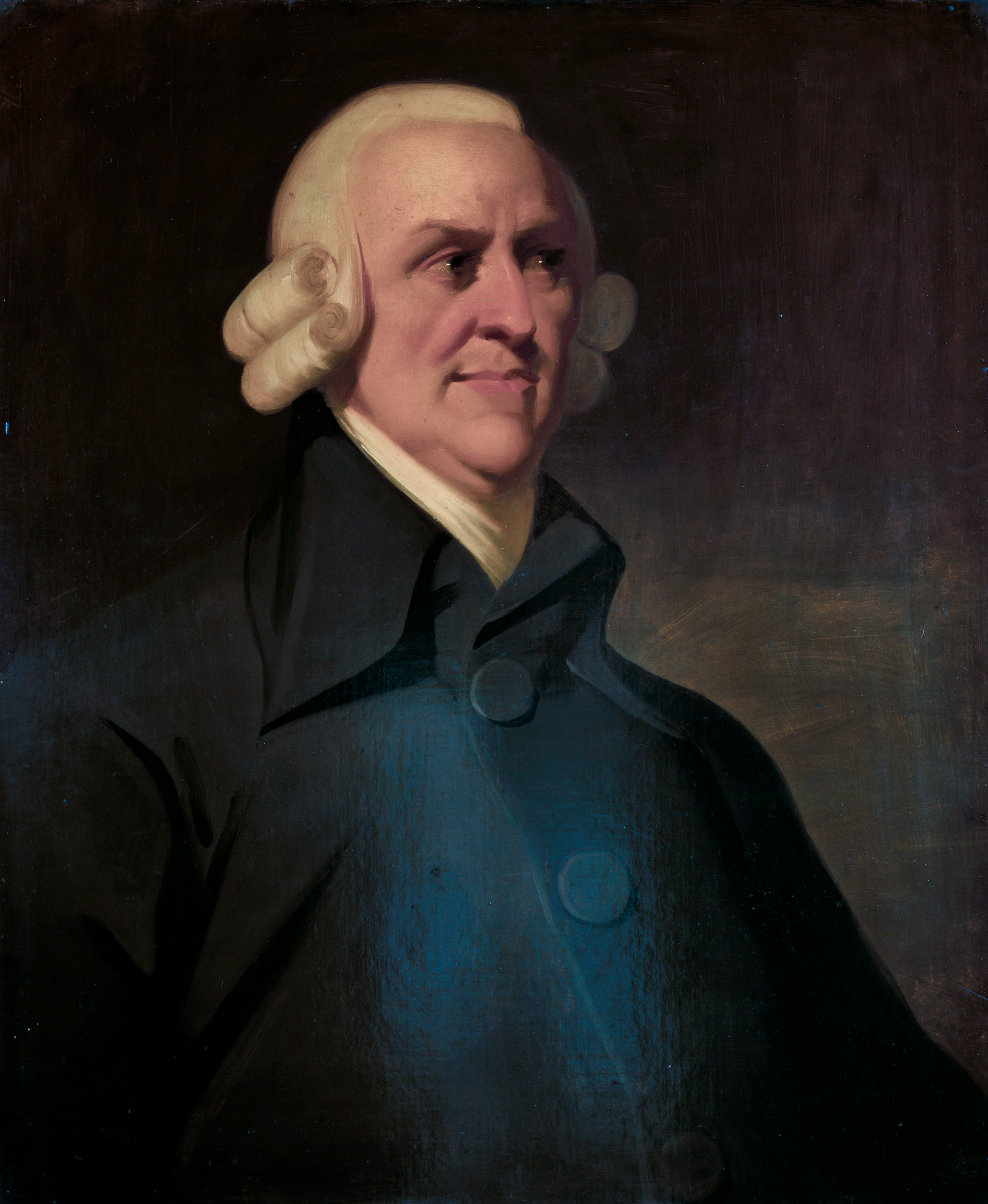
In The Wealth of Nations, Adam Smith articulates the concept of the invisible hand as a self-regulating mechanism within the economy. He posits that when individuals pursue their self-interest, they inadvertently contribute to the economic good of society. This mechanism relies on the assumption that markets operate efficiently without external interference, where competition drives innovation and improves the overall standard of living.

Adam Smith
 However, the invisible hand rests on several assumptions that are often not met in reality:

  1. Perfect Information: Smith’s model assumes that all participants in the market have access to complete and accurate information, enabling them to make informed decisions. In practice, information asymmetries often lead to market failures, where some parties exploit their advantages over others.

  2. Competition: The effectiveness of the invisible hand relies on the existence of competition. However, capitalism can lead to monopolies and oligopolies, where a few large entities dominate the market, stifling competition and innovation.

  3. Externalities: The invisible hand overlooks negative externalities—costs imposed on third parties not involved in a transaction. For example, pollution from manufacturing processes can harm communities without being reflected in the market price of goods.

  4. Social Equity: Smith’s theory does not adequately address issues of wealth distribution and social justice. While self-interested behavior may lead to overall economic growth, it can also exacerbate inequalities within society.

 Chen Yun’s Birdcage Economy: A Pragmatic Response

 Chen Yun, a prominent architect of China’s economic policies, recognized these limitations and proposed the “birdcage economy” as a counter to the invisible hand. His metaphor describes an economic framework where the government establishes a regulated environment (the cage) within which market forces operate freely. This approach allows for entrepreneurial activity while ensuring that it occurs within a structure that prioritizes social stability and equity.

Chen Yun
Chen Yun
 1. Regulated Freedom: The birdcage economy allows for market dynamics to thrive, but within predefined boundaries set by the state. This regulatory framework seeks to harness the benefits of capitalism while protecting against its excesses. As Chen Yun stated, “In the course of building socialism, we must recognize that the market has its own laws and play its own role, but this must be under the guidance of the state.”

  2. Balancing Efficiency with Equity: Unlike Smith’s idealized vision, Chen Yun’s approach emphasizes that economic efficiency should not come at the expense of social welfare. He believed that the state has a responsibility to intervene when market activities threaten to undermine social cohesion or exacerbate inequalities.

  3. Preventing Monopolies and Abuse: By maintaining control over key industries and regulating market activities, the birdcage economy aims to prevent the monopolistic tendencies inherent in capitalism. Chen Yun recognized that without regulation, powerful entities could exploit their position, leading to market distortions and harming the broader society.

  4. Integrating Planning with Market Mechanisms: Chen Yun’s model advocates for a mixed economy that integrates central planning with market mechanisms. This dual approach enables the state to direct resources toward strategic industries while allowing market forces to drive innovation and efficiency where appropriate.

 Historical Context and Implementation

 Chen Yun’s birdcage economy emerged during a critical period in Chinese history, particularly following the Cultural Revolution. Faced with the need for economic revitalization, Chen proposed a pragmatic approach that combined elements of socialism with market-oriented reforms. The 1980s saw the implementation of these policies, which led to significant economic growth and modernization in China.

 The Chinese experience exemplifies the practical application of Chen Yun’s ideas. By introducing market reforms while maintaining state control over key sectors, the government was able to foster rapid economic development while avoiding some of the pitfalls associated with unchecked capitalism. This model has since become a defining feature of China’s economic landscape.

 Market Dominance and Efficiency vs. Social Stability

 In Chen Yun’s framework, the goals of market dominance and operational efficiency often stand in opposition to the rules of social equity and communal well-being. While capitalism espouses virtues such as competition and innovation, these objectives can conflict with the necessity for ethical governance and the protection of vulnerable populations. As companies strive for greater efficiency and profit, they may engage in practices that disregard social responsibility, labor rights, and environmental sustainability.

 Chen Yun’s critique of capitalism echoes the sentiments of Vladimir Lenin, who argued that capitalism’s inherent contradictions would eventually lead to its downfall. In Imperialism: The Highest Stage of Capitalism (1917), Lenin contended that capitalism inevitably leads to monopolies, wars, and social inequality, necessitating revolutionary change. This perspective resonates with Chen’s view that the invisible hand creates a facade of balance that masks underlying imbalances, perpetuating inequality and social unrest.

The Relevance of Chen Yun’s Insights Today

The critique of the invisible hand presented by Chen Yun resonates in contemporary discussions on economic policy, particularly in light of increasing skepticism toward unfettered capitalism. The global financial crises, growing inequalities, and environmental degradation have highlighted the limitations of the self-regulating market.

Economists like Joseph Stiglitz emphasize that the failure of markets to self-correct has led to widespread social discontent. In The Price of Inequality, Stiglitz argues for stronger governmental oversight and intervention to mitigate the negative consequences of unregulated markets.

In light of these challenges, Chen Yun’s birdcage economy offers a compelling alternative. By emphasizing state intervention and regulatory oversight, his model seeks to balance market forces with social welfare. This perspective aligns with Polanyi’s assertion that economic systems must be embedded within social relations, advocating for a reorientation of economic policy that prioritizes communal well-being over individual profit.

A Call for Structural Change

Chen Yun’s critique of Smith’s invisible hand calls for a reevaluation of economic policies and frameworks. The birdcage economy underscores the importance of ensuring that economic systems serve societal interests rather than merely accommodating the ambitions of capitalists. This approach emphasizes the necessity of state intervention to achieve a balance between market dynamics and social equity.

The tensions between Chen Yun’s critique of capitalism and Smith’s invisible hand call for a reevaluation of how economic policies are structured. Chen’s vision underscores the importance of recognizing that economic systems must serve societal interests rather than merely accommodating the ambitions of capitalists. His birdcage economy suggests that effective governance is essential for achieving a balance between market dynamics and social equity.

As Chen Yun asserted, “If we want to build socialism, we must first build a strong economy.” This sentiment reflects his belief that while markets can drive growth, they must do so within a framework that ensures equitable distribution of resources and opportunities. Such an approach acknowledges the necessity of regulation and intervention to safeguard the common good and foster sustainable development.

Conclusion

Chen Yun’s birdcage economy serves as a significant counterpoint to Adam Smith’s invisible hand, highlighting the inherent limitations of relying on self-regulation within capitalist systems. By emphasizing the conflict between market dominance, efficiency, and social stability, Chen Yun provides a compelling argument for the necessity of state intervention in economic affairs. His perspective challenges the notion that capitalism can function optimally without oversight and calls for a more nuanced understanding of how economic policies can be crafted to promote equitable outcomes for all members of society.

Perhaps Chen Yun’s Birdcage is also a critique of Adam Smith’s invisible hand that underscores the limitations of relying on self-regulation within capitalist systems. By emphasizing the conflict between market dominance, efficiency, and social stability, Chen provides a compelling argument for the necessity of state intervention in economic affairs. His perspective challenges the notion that capitalism can function optimally without oversight and calls for a more nuanced understanding of how economic policies can be crafted to promote equitable outcomes for all members of society.

As people and societies navigate the complexities of modern economies, the relevance of Chen Yun’s insights becomes increasingly clear. The contemporary global landscape, characterized by rising inequality, environmental degradation, and social unrest, demands a reevaluation of the principles that govern our economic systems. Embracing Chen Yun’s vision of a birdcage economy, where markets operate under the watchful eye of the people through the state, may offer a path toward achieving a more equitable and sustainable future. 

 References

 1. Smith, Adam. The Wealth of Nations. 1776.
 2. Polanyi, Karl. The Great Transformation: The Political and Economic Origins of Our Time. 1944. 
 3. Lenin, Vladimir. Imperialism: The Highest Stage of Capitalism. 1917. 
 4. Stiglitz, Joseph. The Price of Inequality: How Today’s Divided Society Endangers Our Future. 2012. 
 5. Chen Yun. Various speeches and writings on economic policy and socialism in China.